
Interfaith Walk in Athens
Respect, understanding, dialogue — through the sacred spaces of the city
Purpose & philosophy
The aim of this route is to cultivate respect for diversity without religious or racial discrimination. Students visit religious sites that are points of cultural heritage, and learn about the various denominations and the importance of religious freedom as a universal human right.
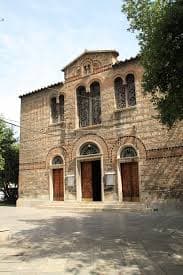
Stop 1 — Orthodox Church
Our first stop introduces us to the Orthodox Christian tradition, which forms the deepest religious root of Athens and Greece. Through Byzantine architecture, icons and liturgical art, visitors discover how Orthodoxy shaped culture, art and daily life over centuries.
The guided tour focuses on the symbolism of Byzantine iconography and the relationship between the Church and society.
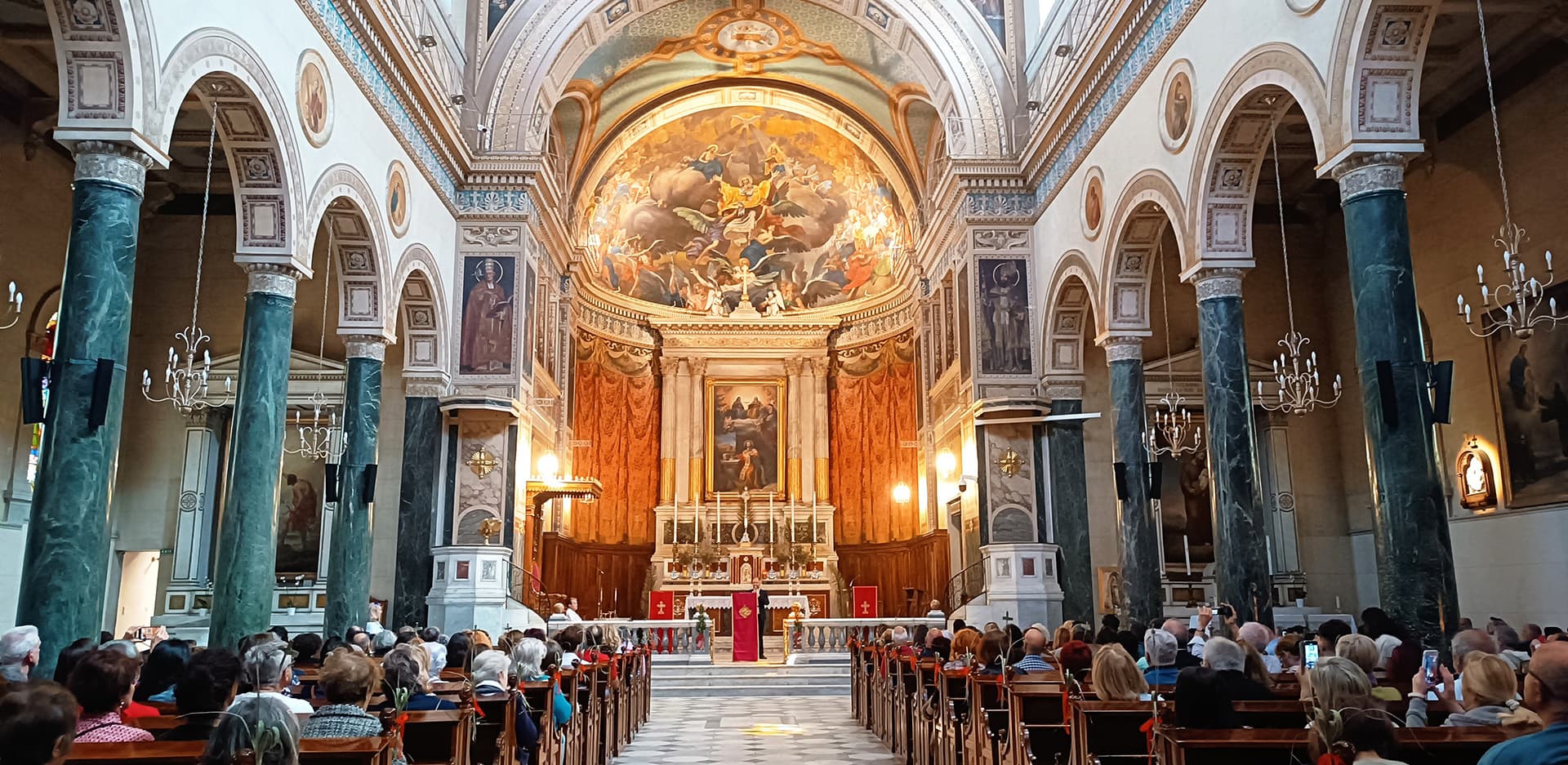
Stop 2 — Catholic Church
The Catholic community of Athens has had a presence in the city for centuries. At the Catholic church, students learn about the similarities and differences between the Orthodox and Catholic traditions — two branches of Christianity that share common roots but took different paths after the Great Schism of 1054.
The space serves as a starting point for discussion around ecumenical dialogue and the importance of mutual recognition.
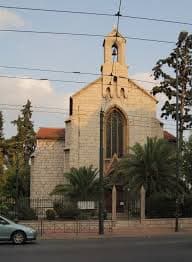
Stop 3 — Anglican Church
The Anglican Church in Athens represents the Protestant tradition and is an important place of worship for the English-speaking and expatriate community of the city. The visit gives us the opportunity to encounter yet another facet of Christianity — with a different aesthetic, liturgy and theological perspective.
Students are invited to reflect on how the same faith can be expressed in so many different ways.
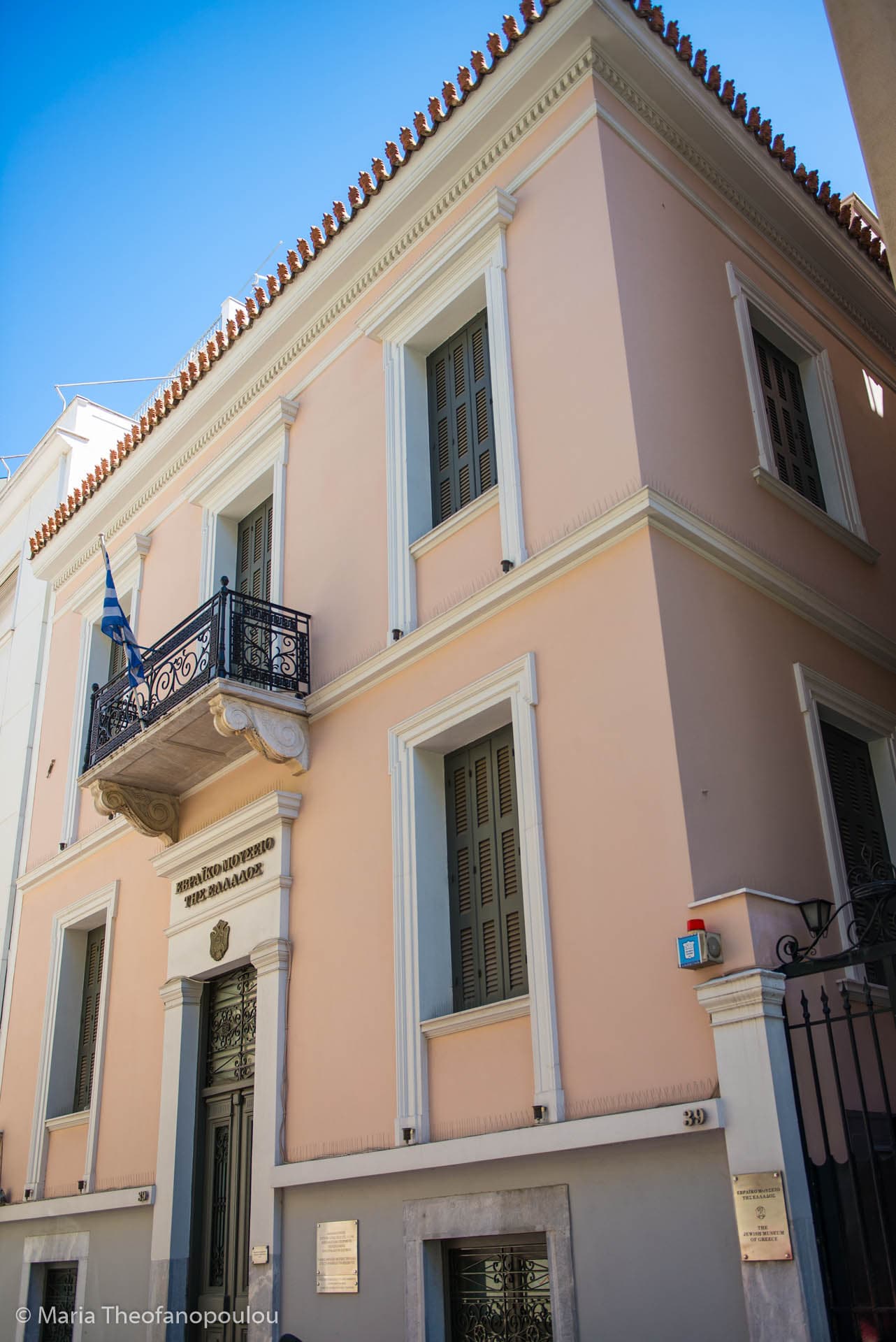
Stop 4 — Jewish Museum
The Jewish Museum of Greece tells the story of the Jewish community in our country — a community with a presence of over 2,000 years. From the Hellenistic era to modern times, the Jews of Greece made a decisive contribution to culture, trade and society.
The visit includes reference to the Holocaust and the importance of memory as a tool against racism and intolerance.
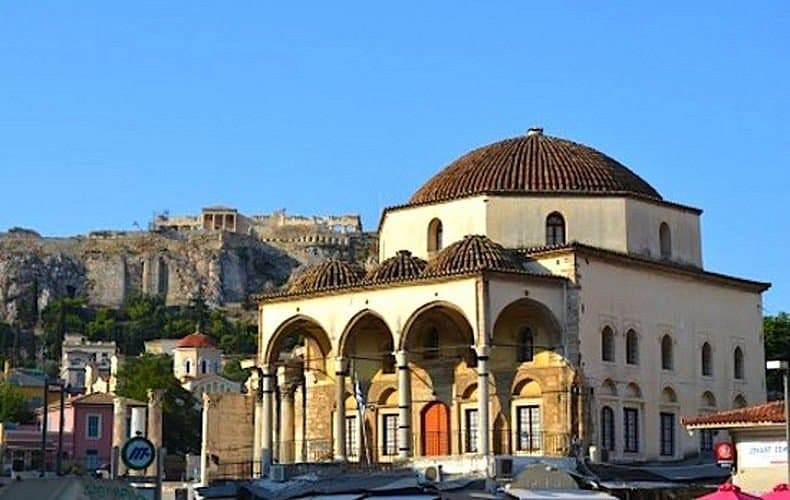
Stop 5 — Fethiye Mosque
The Fethiye Mosque, built by the Ottomans in the 15th century within the archaeological site of the Roman Agora, is one of the few surviving Islamic monuments of Athens. It bears witness to the Ottoman presence in the city and is a landmark for the Muslim community.
The guided walk around the site sheds light on the principles of Islam, the architecture of mosques and the relationship of religion to the history of the city.